



Natural Remedy For Scalp Psoriasis: Top Solutions for Relief
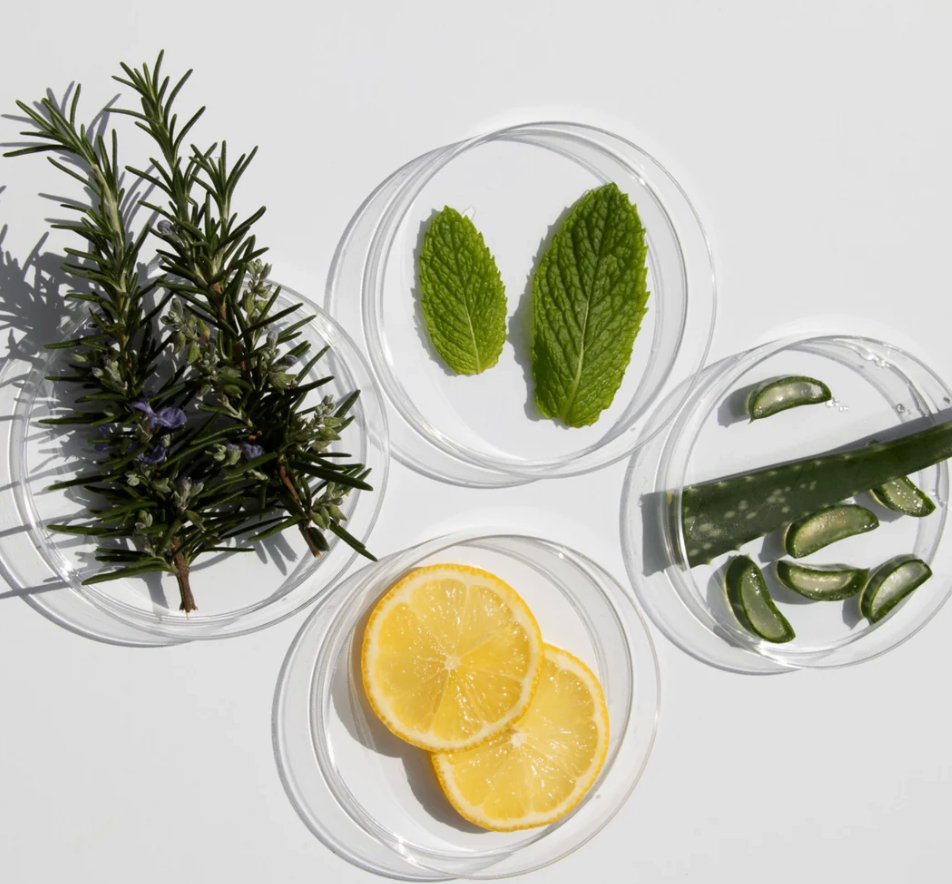
Scalp psoriasis can cause persistent flakes, itching, soreness, and visible patches along the scalp or hairline. It is understandable to look for natural remedies for scalp psoriasis, especially when symptoms keep returning. Some gentle at-home measures may improve comfort, but psoriasis is an immune-mediated inflammatory disease: natural ingredients cannot be assumed to control the underlying condition or replace prescribed treatment.
This guide explains which supportive approaches are worth considering, where the evidence is limited, what can make symptoms worse, and when to seek medical care.
Key Takeaways
- Scalp psoriasis often produces thicker, well-defined scaly patches that may extend beyond the hairline; not every flaky scalp is psoriasis.
- Gentle washing, minimizing scratching, and suitable moisturizers can help with comfort and cosmetic scale management.
- Aloe vera, oatmeal, and some other botanical preparations have limited or indirect evidence for symptom support; formulation and individual tolerance matter.
- Essential oils and acidic DIY mixtures can irritate active psoriasis, particularly on cracked or excoriated skin.
- Medicated shampoos, topical anti-inflammatory treatments, and other clinician-directed therapies remain important when disease is active.
What Is Scalp Psoriasis?
Scalp psoriasis is a chronic immune-mediated condition in which inflammation leads to accelerated skin-cell turnover and characteristic plaques. It can involve a small area, most of the scalp, or the skin around the ears, forehead, and neck.
Signs may include thick white or silvery scale, itching, redness or other discoloration depending on skin tone, tenderness, and cracking. Some people experience temporary shedding from inflammation or repeated scratching. Permanent hair loss is not typical of uncomplicated scalp psoriasis; persistent hair loss, scarring, or loss of follicular openings requires assessment for other or additional conditions.
Scalp psoriasis can resemble dandruff or seborrheic dermatitis. If the diagnosis is uncertain, treatment should not be based on appearance alone. See the American Academy of Dermatology's scalp-symptom guidance.
Natural Remedies for Scalp Psoriasis: What May Help?
The most useful distinction is between comfort care and control of inflammatory disease. A cosmetic moisturizer might make the scalp feel less tight without preventing psoriasis plaques from recurring. The following options should be considered supportive, not curative.
1. Aloe Vera
Formulated aloe-containing moisturizers may provide a cooling or hydrating sensation, and some studies of topical aloe preparations in psoriasis suggest potential symptom benefits. However, studies differ in formulation and body site, so these results do not establish that ordinary aloe gel will treat scalp psoriasis.
Use an appropriately formulated product as directed and stop if it stings or triggers a rash. Fresh plant material may contain irritating latex or contaminants if improperly prepared. For ingredient science, see our physician review of aloe vera for hair and scalp.
2. Coconut Oil and Other Emollients
An emollient can reduce the feeling of dryness and help soften scale. Coconut oil may be tolerated by some people, but it is not a proven anti-psoriasis treatment. Apply sparingly to intact skin, avoid aggressive scale removal, and wash gently when needed. Discontinue if irritation or follicular breakouts develop.
3. Colloidal Oatmeal
Colloidal oatmeal has evidence supporting use for dry, irritated skin and itch. A fragrance-free oatmeal-containing skin product may be a reasonable comfort measure, though direct evidence for control of scalp-psoriasis plaques is limited. Avoid abrasive scrubs or forceful rubbing.
4. Tea Tree Oil and Other Essential Oils
Tea tree oil has laboratory antimicrobial activity, but psoriasis is not caused simply by bacteria or fungus. There is insufficient clinical evidence that tea tree oil treats scalp psoriasis. Essential oils—including tea tree, peppermint, lavender, and rosemary—may provoke contact dermatitis or burning, especially on inflamed skin. Do not apply them undiluted, and do not use a tingling sensation as proof of benefit.
For the distinction between ingredient properties and outcomes in people, see our tea tree ingredient review.
5. Turmeric and Oregon Grape
Curcumin and preparations containing Mahonia aquifolium (Oregon grape) have been studied for psoriasis, with some encouraging but limited results. Evidence for a particular scalp formulation, optimal dose, and long-term safety remains incomplete. Supplements can also interact with medications; discuss them with a clinician before use rather than assuming a natural product is risk-free.
6. Honey and Olive Oil Mixtures
Small studies of honey-based mixtures in inflammatory skin conditions have generated interest, but they do not establish a reliable scalp-psoriasis treatment. These mixtures may be messy, irritating, or difficult to rinse from hair. A simple fragrance-free moisturizer is often a more predictable choice for routine comfort care.
7. Apple Cider Vinegar: A Caution
Apple cider vinegar is commonly promoted for scalp itch, but it can burn inflamed or broken skin and is not an established treatment for psoriasis. Avoid applying it to cracked, bleeding, painful, or actively inflamed areas. A patch test does not eliminate the risk of irritation.
What Actually Helps Control Active Scalp Psoriasis?
Dermatologists may recommend prescription topical corticosteroid solutions, foams, or oils; other anti-inflammatory medications; scale-softening preparations; phototherapy; or systemic treatment for more extensive or difficult disease. Some over-the-counter products containing salicylic acid or coal tar may also be appropriate for certain patients. Treatment choice depends on severity, hair type, skin sensitivity, pregnancy considerations, other health conditions, and concurrent medications.
Use medicated products at the schedule advised by your clinician. More frequent use is not necessarily better. If symptoms persist despite treatment, reassessment can help distinguish psoriasis from seborrheic dermatitis, contact allergy, infection, or a coexisting hair-loss disorder.
Daily Scalp-Care Practices That Can Reduce Irritation
- Cleanse gently: Use lukewarm rather than hot water, and wash at a frequency appropriate for your hair, sebum production, and medication plan.
- Don't force scale removal: Scratching and aggressive brushing can break skin and sometimes worsen plaques through the Koebner phenomenon.
- Minimize triggers: Fragrance, essential oils, hair dyes, tight styles, and abrasive massagers can be problematic when the scalp is inflamed.
- Protect exposed skin: Use appropriate sun protection on bare or thinning scalp areas without allowing products to irritate plaques.
- Support general well-being: Stress management, sleep, movement, and balanced nutrition are reasonable for overall health, but no specific diet is a reliable cure for scalp psoriasis.

Can Scalp Psoriasis Cause Hair Loss?
Psoriasis can coexist with shedding because of inflammation, scratching, or traumatic scale removal. Hair often grows back when the underlying problem is controlled, but not every pattern of thinning is due to psoriasis. Genetic-pattern loss, alopecia areata, telogen effluvium, and scarring alopecias require different assessments.
Read more in our Scalp Health guide and our article on scalp inflammation and hair loss. Avoid massaging a tender or actively inflamed scalp in an attempt to stimulate regrowth.
When to See a Dermatologist
Seek professional evaluation if you have thick or spreading plaques, marked pain, bleeding, pus, signs of infection, persistent itching or scaling, or new or progressive hair loss. New joint pain or stiffness can be important because psoriasis may be associated with psoriatic arthritis. Prompt assessment is particularly important if you notice scarring or loss of visible follicular openings.
Gentle Scalp Care Beyond a Flare
Once active inflammation is appropriately managed, a simple cosmetic routine may help maintain a comfortable, clean-feeling scalp. Origenere's Scalp Spa collection offers cleansing, conditioning, and optional clarifying products for everyday scalp care. It is not formulated or presented here as a treatment for psoriasis.
For dryness or a tight scalp, consider a leave-on conditioning step only if the individual ingredients are well tolerated. Fragranced, mint, tea tree, and clarifying products may be unsuitable during a flare.
Frequently Asked Questions About Natural Scalp Psoriasis Care
Can scalp psoriasis be cured naturally?
No natural ingredient has been established as a cure for psoriasis. Comfort-focused care may complement medical treatment, but psoriasis tends to follow a recurring course and often requires targeted anti-inflammatory therapy.
Is aloe vera safe to use on scalp psoriasis?
Some people tolerate aloe-based moisturizers well, and selected preparations have been studied in psoriasis. Others may react to the formula or raw plant material. Test cautiously on intact skin, stop if irritation occurs, and follow your clinician's guidance.
Will tea tree shampoo treat scalp psoriasis?
Tea tree oil is not a proven treatment for scalp psoriasis. A cosmetic shampoo may help cleanse hair and scalp, but fragrance or essential oils can irritate active plaques. Check ingredients and use medically recommended products for disease control.
Should I remove scalp psoriasis scales?
Do not scrape or forcibly pick them off. A clinician can recommend suitable scale-softening products and gentle removal techniques when needed. Aggressive removal can injure skin and increase shedding.
Can scalp psoriasis make my hair fall out?
It can contribute to temporary shedding, especially with significant inflammation or scratching. Other hair-loss disorders may coexist, so persistent or progressive thinning should be evaluated rather than attributed automatically to psoriasis.
When should I stop home care and get treatment?
Seek care for worsening plaques, bleeding, pain, infection signs, marked itch, or hair loss, or when symptoms interfere with daily life. Earlier assessment can prevent prolonged discomfort and identify conditions needing a different treatment.
Conclusion
Natural remedies for scalp psoriasis are best understood as possible supportive measures for comfort, not substitutes for disease control. The safest approach is to establish the diagnosis, treat inflammation appropriately, and select gentle scalp products that do not worsen symptoms. For ongoing scalp-care education, visit Origenere's Scalp Health hub.
References and Further Reading
- National Psoriasis Foundation: Scalp Psoriasis.
- National Psoriasis Foundation: Integrative Approaches to Care.
- American Academy of Dermatology: Scalp Psoriasis Symptoms.
- Kayıran MA, et al. Patient Use of Complementary and Alternative Medicine for Psoriasis Vulgaris. Dermatol Pract Concept. 2022;12(4):e2022190.
- Nowak-Perlak M, et al. Promising Strategies in Plant-Derived Treatments of Psoriasis. Molecules. 2022;27(3):591. Full text.
- Farhan M. The Promising Role of Polyphenols in Skin Disorders. Molecules. 2024;29(4):865. Full text.
- Reynertson KA, et al. Anti-inflammatory activities of colloidal oatmeal in dry, irritated skin. J Drugs Dermatol. 2015;14(1):43-48. Abstract.
Leave a comment