



10 Holistic Benefits of Scalp Massage You Need to Know
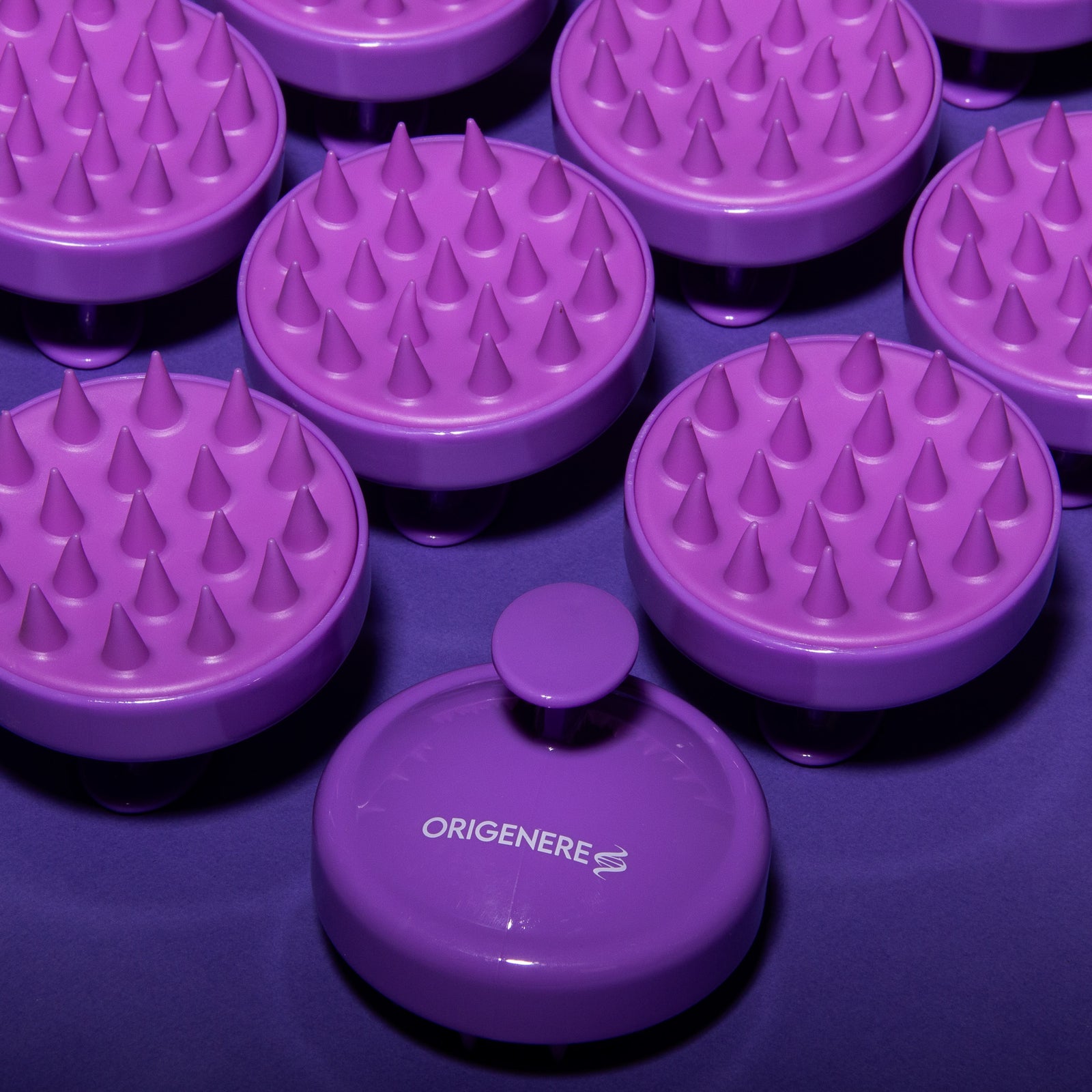
What are the benefits of scalp massage? Gentle scalp massage can be an enjoyable part of a self-care routine, offering relaxation, a soothing sensory experience and a simple way to spend more time caring for the scalp. Researchers have also explored possible effects on scalp blood flow and hair thickness, although the evidence for preventing hair loss or stimulating meaningful regrowth remains limited.
This guide separates the practical benefits from the claims that need more research, explains how to massage your scalp safely, and shows how a manual scalp massager can fit into an at-home routine.
10 Potential Benefits of Scalp Massage
1. Creates a calming self-care ritual
Gentle, repetitive pressure may help people feel more relaxed. Massage therapy studies have reported improvements in perceived well-being and stress in some populations, though results from general massage studies should not automatically be interpreted as evidence for scalp massage specifically. For many people, the main benefit is the experience itself: a few uninterrupted minutes of comfort.
2. May temporarily change local scalp blood flow
Mechanical pressure can influence circulation in superficial tissues. That does not establish that scalp massage increases follicle nutrition enough to reverse pattern hair loss. Hair follicles depend on many factors, including genetics, hormonal signaling and immune activity. Learn more in our guide to scalp anatomy.
3. May help release a sensation of scalp tension
A light massage can feel especially welcome after a long day or following tight styling. Avoid pulling the hair, pressing aggressively or attempting to force movement in a tender area. If tension is caused by consistently tight hairstyles, reducing the traction matters more than adding massage.
4. Encourages a consistent scalp-care habit
Massage offers an opportunity to notice how your scalp feels: dry, oily, comfortable, sensitive or tender. This awareness can help you adjust cleansing and conditioning practices without repeatedly switching products or over-treating the scalp.

5. Can complement an evening relaxation routine
Some people enjoy scalp massage before bed because it feels calming. Direct evidence that scalp massage itself improves sleep quality is limited, and it should not be presented as a treatment for insomnia. Think of it as a relaxing ritual, not a clinical sleep intervention.
6. May be pleasant for everyday head and neck tension
Gentle touch sometimes relieves the sensation of tension. However, research involving trigger points or manual therapies does not prove scalp massage treats migraines or recurring headaches. Frequent, severe or changing headaches should be assessed medically.
7. Has been studied for possible changes in hair thickness
A small 2016 study by Koyama and colleagues examined standardized scalp massage and reported changes in hair thickness after repeated use. Its sample was small, and it does not establish a reliable hair-regrowth effect in the general population. A later self-assessment survey also cannot substitute for a randomized controlled clinical trial. Scalp massage should therefore be viewed as optional supportive grooming, not an alternative to evidence-based hair-loss care.
8. Can help distribute shampoo during cleansing
With wet hair and shampoo, light fingertip movements can help distribute cleanser across the scalp and loosen some surface residue during washing. Massage alone does not detoxify the scalp or eliminate toxins through lymphatic drainage. The cleanser and rinse are responsible for removing oil and product buildup.
9. Can help spread some cosmetic scalp products
Gentle fingertips can assist with even application of products when their directions allow it. Massage does not guarantee better absorption or greater treatment efficacy. Always follow product-specific instructions; do not assume a massager is suitable for use with every active scalp treatment.
10. Makes self-care easy to personalize
You can massage with clean fingertips, a soft manual tool or simply while shampooing. The best choice is the one that feels comfortable and does not create friction, pulling or irritation. There is no requirement to use essential oils, an electronic massager or an elaborate routine.
How to Massage Your Scalp Safely
- Start clean. Use washed hands or a clean, soft-tipped scalp massager.
- Use light pressure. Move fingertips or a soft tool gently over the scalp without scraping or tugging the hair.
- Work across the scalp. Include the front, temples, crown and back of the head, avoiding any painful or inflamed area.
- Keep it brief. A few comfortable minutes is sufficient as a starting point; there is no proven minimum duration for hair growth.
- Stop if symptoms develop. Discontinue if you notice pain, increased redness, breakage, irritation or tenderness.
Avoid massage over open sores, active infection, significant inflammation, or a recently operated scalp unless your treating clinician has approved it.
Fingertips vs. Manual Scalp Massagers
Fingertips offer precise pressure control and require no equipment. A manual scalp massager can make gentle circular movements more convenient and may feel particularly enjoyable during shampooing. Electric devices vary by design and intensity; more pressure does not necessarily mean more benefit.

Should You Use Oil or Shampoo During Scalp Massage?
You do not need an oil. If you prefer to massage while washing, a suitable shampoo and water may reduce friction while cleansing away excess oil and residue. For people prone to oiliness or product buildup, adding more oil is not always desirable. Concentrated essential oils can also irritate or sensitize the scalp and should not be applied undiluted.
For an oil- or buildup-prone scalp, Buongiorno Tea Tree Mint Shampoo is one cosmetic cleansing option. For a broader discussion of barrier function, sebum and scalp comfort, visit the Origenere Scalp Health guide.
Make Scalp Massage Part of Your Scalp Spa Routine
Start with what your scalp actually needs. Use an appropriate cleanser for oil and buildup, choose leave-on conditioning only if useful, and add gentle massage as an optional comfort step. Scalp Spa brings these options together without requiring every product in the collection.
Frequently Asked Questions About Scalp Massage
Does scalp massage help hair growth?
A small study reported changes in hair thickness, but the available evidence is not strong enough to conclude that scalp massage reliably grows new hair or treats pattern hair loss. It can be a comfortable grooming habit alongside appropriate hair care.
How often should I massage my scalp?
There is no established clinically effective frequency for hair growth. If your scalp tolerates it, a few minutes when convenient is reasonable. Reduce frequency or stop if you develop irritation.
Can scalp massage remove buildup or dandruff?
When combined with shampoo and rinsing, gentle massage can assist cleansing. Massage alone does not treat dandruff, seborrheic dermatitis or psoriasis. Persistent flaking or inflammation may require targeted treatment.
Is it better to use your fingers or a scalp massager?
Neither has been shown to be superior for hair regrowth. Fingers offer the most direct pressure control, while a soft manual tool can be convenient for a comfortable routine.
Can scalp massage worsen hair loss?
Aggressive rubbing or traction can contribute to hair breakage and may aggravate an inflamed or sensitive scalp. Gentle techniques should not hurt or pull hair.
Should I massage an irritated or painful scalp?
Do not massage painful, broken, infected or visibly inflamed skin. Persistent symptoms or unexplained shedding should be evaluated by a qualified clinician.
Conclusion
Scalp massage can provide relaxation, tactile comfort and an easy way to make scalp care more intentional. Research into hair-thickness effects is interesting but preliminary. For most people, the best approach is simple: use gentle pressure, avoid irritation, keep expectations realistic and choose scalp products according to individual needs.
Continue learning about the scalp barrier, microbiome and follicle environment, or explore Origenere Scalp Spa for everyday cleansing, conditioning and massage options.
References
- Koyama T, Kobayashi K, Hama T, Murakami K, Ogawa R. Standardized Scalp Massage Results in Increased Hair Thickness by Inducing Stretching Forces to Dermal Papilla Cells in the Subcutaneous Tissue. Eplasty. 2016;16:e8. PMID: 26904154.
- English RS Jr, Barazesh JM. Self-Assessments of Standardized Scalp Massages for Androgenic Alopecia: Survey Results. Dermatol Ther (Heidelb). 2019;9:167–178. PMID: 30671883.
- Sharpe PA, Williams HG, Granner ML, Hussey JR. A randomised study of the effects of massage therapy compared to guided relaxation on well-being and stress perception among older adults. Complement Ther Med. 2007;15:157–163. PMID: 17709060.
- Kim IH, Kim TY, Ko YW. The effect of a scalp massage on stress hormone, blood pressure, and heart rate of healthy female. J Phys Ther Sci. 2016;28:2703–2707. PMID: 27821918.
Been doing this for years and, regardless of helping with hair loss or not, the stress-reduction benefits are undisputed.
Leave a comment