



Scalp Health: The Biology of the Scalp Barrier, Microbiome, and Hair Growth Environment
Healthy hair growth begins with the environment surrounding the follicle. The scalp is not just where hair emerges — it is an active biological surface shaped by barrier function, oil balance, inflammation, circulation, and the scalp microbiome.
When the scalp environment becomes irritated, inflamed, imbalanced, or overly stressed, hair quality and follicle performance can be affected. This page serves as a central guide to scalp biology and why scalp health matters in the broader science of hair growth.
Why Scalp Health Matters
The scalp acts as the biological terrain in which follicles live and function. A healthy scalp supports barrier integrity, balanced oil production, normal microbial activity, and a more stable environment for follicle signaling.
Barrier
The scalp barrier helps regulate moisture, protect against irritants, and maintain surface stability.
Microbiome
The scalp microbiome contributes to local balance and may influence inflammation and comfort.
Inflammation
Chronic irritation or immune signaling can disrupt the follicle environment and scalp comfort.
Support
Scalp-aware routines help maintain a healthier environment for hair growth over time.
Scalp Anatomy and the Hair Growth Environment
The scalp includes skin layers, sebaceous glands, follicles, blood supply, nerve endings, and connective tissue that together shape the environment in which hair grows. This anatomy influences oil production, barrier function, local inflammation, and follicle support.
Understanding the structural landscape of the scalp helps explain why irritation, inflammation, and microbial imbalance can have downstream effects on hair comfort and hair growth quality.

Go deeper: Mastering Scalp Anatomy: Essential Guide for Hair Health
Related pillar: Hair Biology
The Scalp Barrier
Like the skin on the rest of the body, the scalp depends on an intact barrier to regulate hydration, protect against environmental stress, and maintain surface resilience. When the scalp barrier becomes disrupted, irritation, dryness, flaking, and inflammation may become more likely.
Barrier disruption does not always cause hair loss directly, but it can create a less stable environment around the follicle and increase scalp stress over time.
- Excessive cleansing may disturb surface balance
- Harsh products may increase irritation
- Inflammation can weaken local comfort and resilience
- Barrier instability may contribute to chronic scalp discomfort
Related reading: Home Remedies for Dry Itchy Scalp
Seasonal context: Reasons for Dry Scalp: Summer Tips and Natural Remedies
Oil Balance and Sebum
Sebum plays an important protective role on the scalp. It helps lubricate the surface, supports barrier function, and influences the microbial environment. Problems arise when oil production becomes excessive, uneven, or associated with irritation and inflammation.
An oily scalp does not automatically cause hair loss, but excess oil can coexist with inflammation, irritation, buildup, and discomfort that affect how the scalp feels and functions.

Go deeper: Oily Scalp and Hair Loss: What’s Really Going On
Related products: Non-Comedogenic Hair Products for Clear Skin
The Scalp Microbiome
The scalp is home to a dynamic microbial ecosystem that includes bacteria, fungi, and other microorganisms. In a balanced state, this microbiome coexists with the scalp surface and may help maintain local equilibrium.
When that balance is disturbed, the scalp may become more prone to irritation, inflammation, excess oil, flaking, or discomfort. This is one reason the microbiome has become an increasingly important topic in scalp science.
A healthy scalp microbiome is not about eliminating microbes entirely. It is about maintaining a surface environment that supports microbial balance rather than chronic dysregulation.

Go deeper: Saccharomyces Benefits for Hair and Scalp Health
Scalp support article: Hair Tonic 101: Boosting Scalp Health and Hair Growth
Inflammation, Irritation, and Scalp Stress
One of the most important ways the scalp affects hair is through inflammation. Chronic irritation, immune signaling, barrier breakdown, and oxidative stress can make the scalp environment less supportive over time.
This does not always produce immediate visible hair loss, but over time it can affect follicle comfort, hair texture, shedding patterns, and the overall quality of the scalp environment.
Oxidative Stress
Oxidative stress can affect both the follicle and the surrounding scalp environment by increasing cellular strain and amplifying inflammatory signaling.
Scalp Environment
Irritants, oil imbalance, inflammation, and barrier instability can all influence how the scalp feels and how well it supports healthy hair growth conditions.

Common Scalp Conditions That Affect the Hair Environment
Not every scalp condition causes hair loss directly, but many can affect comfort, inflammation, and the overall quality of the follicle environment.
Oily Scalp
Excess oil, buildup, and irritation may contribute to discomfort and complicate scalp balance.
Dry or Irritated Scalp
Barrier stress and irritation may increase sensitivity and make the scalp feel inflamed or reactive.
Inflammatory Scalp States
Conditions involving chronic irritation or immune activity may disrupt comfort and local follicle support.
Mechanical Stress on the Scalp
Tight hairstyles, friction, and repeated tension can stress both the hair and the scalp surface.
Supporting a Healthy Scalp
A healthy scalp routine is not just about cleansing. It is about maintaining balance across several biological dimensions.
- Protecting the scalp barrier
- Managing oil and buildup without over-stripping
- Reducing unnecessary irritation
- Supporting microbial balance
- Creating a more stable environment for follicles
This is also where scalp-focused formulations and scalp-aware routines become meaningful. In many cases, the goal is not to force hair growth directly, but to improve the biological environment in which follicles function.
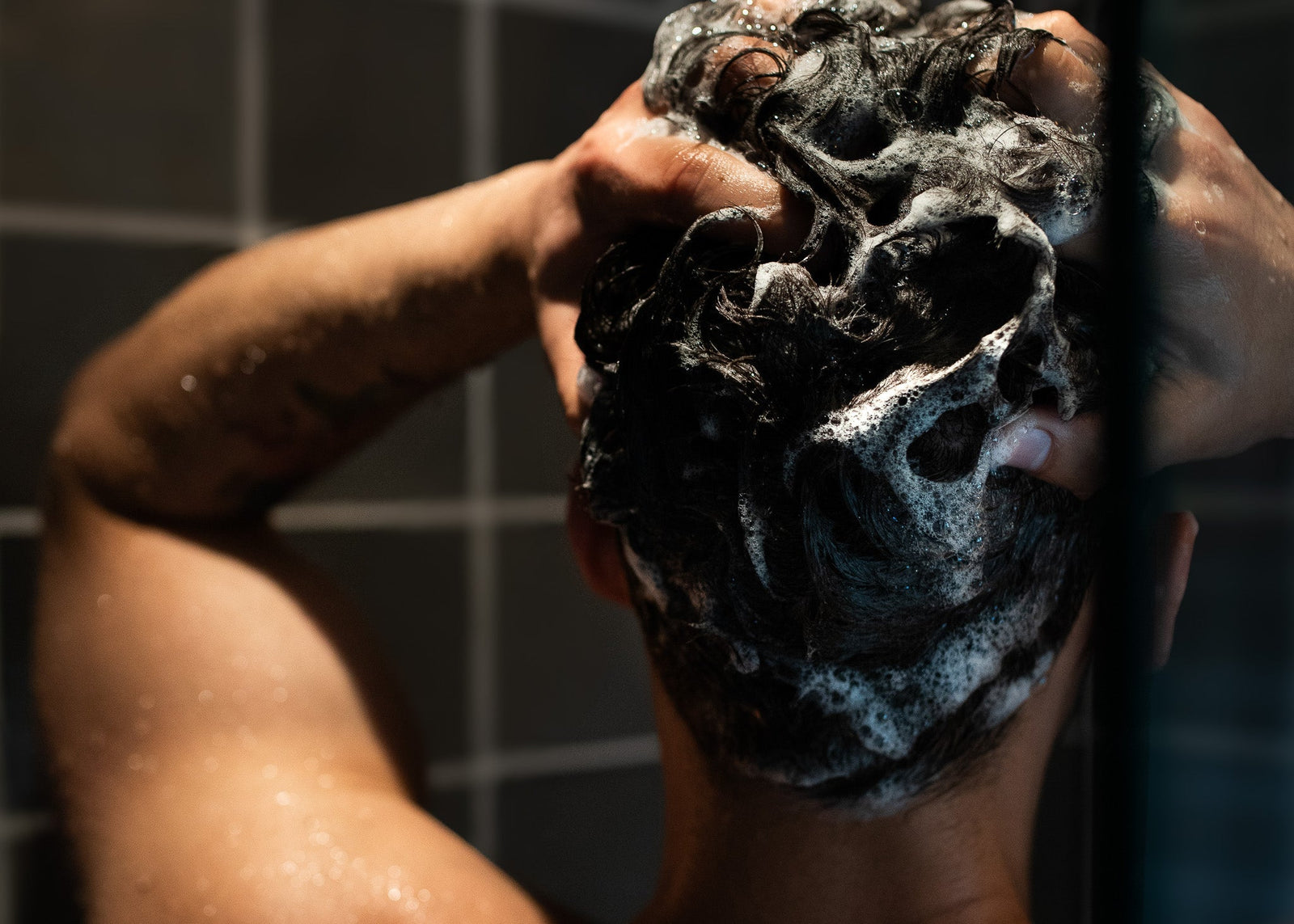
Scalp-Focused Education
Explore the articles below to understand how scalp anatomy, oil balance, and barrier function influence long-term scalp health.
The Bigger Picture
The scalp is one part of a larger biology. To understand how follicles, hormones, oxidative stress, nutrition, and the scalp environment work together, explore the broader pillars below.
Frequently Asked Questions About Scalp Health
These are some of the most common questions people ask about the scalp, inflammation, oil balance, itch, and how the scalp environment may affect hair growth.
Does scalp health affect hair growth?
Yes. Hair follicles live within the scalp, so the surrounding environment matters. Barrier disruption, inflammation, microbial imbalance, and oxidative stress may all influence follicle signaling, comfort, and overall hair quality over time.
Can scalp inflammation cause hair loss?
Scalp inflammation does not always cause hair loss directly, but chronic irritation and inflammatory signaling can make the scalp environment less supportive for healthy follicle function. Over time, this may contribute to shedding, discomfort, and changes in hair quality.
Does an oily scalp cause hair loss?
An oily scalp alone does not usually cause hair loss. However, excess sebum can contribute to buildup, irritation, and imbalance that may affect scalp comfort and make existing scalp issues more noticeable.
What causes an itchy scalp?
Itchy scalp can result from dryness, irritation, excess oil, barrier disruption, inflammation, product sensitivity, or microbial imbalance. The cause is not always the same from person to person, which is why broader scalp context matters.
What is the scalp microbiome?
The scalp microbiome refers to the community of microorganisms that naturally live on the scalp, including bacteria and fungi. In a balanced state, this ecosystem coexists with the scalp surface. When that balance shifts, irritation and discomfort may become more likely.
How can I improve scalp health?
Supporting scalp health usually means protecting the barrier, reducing unnecessary irritation, managing oil and buildup appropriately, supporting microbial balance, and using a consistent scalp-aware routine rather than overcorrecting with harsh products.
From Scalp Biology to Everyday Scalp Care
A practical scalp-care routine begins with the concern you actually have. Cleansing helps remove oil and product residue; leave-on conditioning can support a comfortable scalp feel; and occasional clarifying products or gentle massage may be useful additions. A longer routine is not necessarily a better routine.
Oil and Product Buildup
Choose a shampoo that cleanses effectively without leaving your scalp feeling overly stripped. Buongiorno Tea Tree Mint Shampoo is one option in the Scalp Spa collection.
Dryness and Everyday Comfort
Consider a lightweight leave-on care step such as Naturale Scalp & Hair Tonic, based on your scalp's tolerance and the individual product instructions.
Occasional Clarification
A scalp mask may be useful for some buildup-prone routines, but frequency should follow product directions. Avoid applying potentially irritating formulas to broken or inflamed skin.
Massage and Relaxation
Use gentle pressure if you enjoy scalp massage. Massage is an optional comfort step, not a substitute for medically indicated treatment for hair loss or scalp disease.
Explore the routine: Shop the Origenere Scalp Spa Collection to compare cleansers, tonics, masks, and the scalp massager.
Scalp Spa is cosmetic care. Persistent itch, scaling, pain, redness, or unexplained hair loss deserves clinical evaluation; cosmetic products should not be presented as treatment for psoriasis or other inflammatory scalp disorders.