



Home Remedies For Dry Itchy Scalp: Simple Solutions that Work
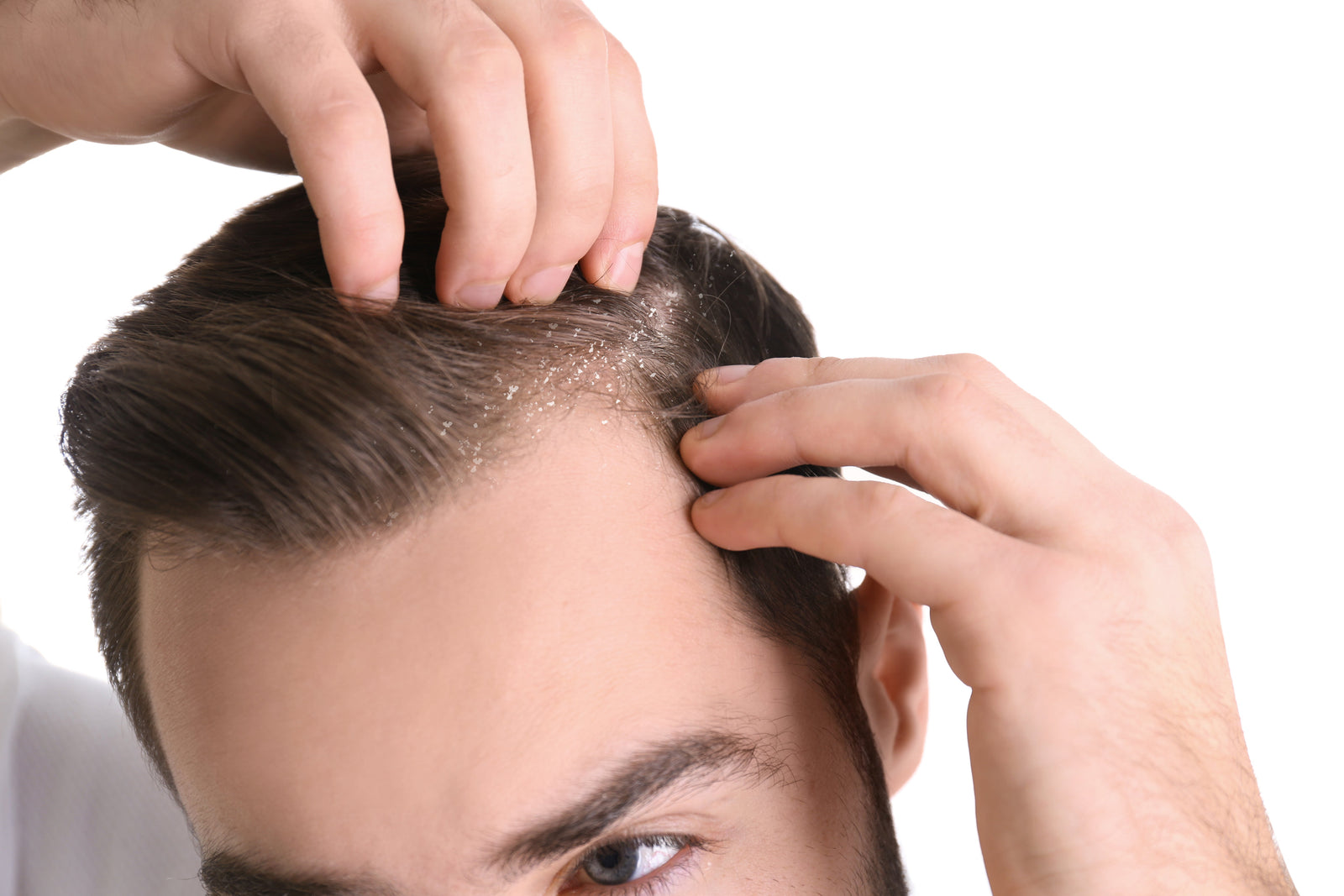
A dry, itchy scalp can disrupt your day and lead to flaking, tightness, and irritation. Sometimes the cause is straightforward—dry weather, hot showers, or sensitivity to a hair product. Other times, similar symptoms come from dandruff, eczema, psoriasis, or infection. Choosing the right home remedy begins with understanding the difference.
This guide reviews practical home remedies for dry, itchy scalp, how to avoid aggravating sensitive skin, and when symptoms deserve medical evaluation. For a broader explanation of barrier function, sebum, and the scalp microbiome, see Origenere's Scalp Health guide.
Key Takeaways
- Dry scalp and dandruff can both itch and flake, but they do not necessarily have the same cause or treatment.
- For uncomplicated dryness, gentle shampooing, lukewarm water, and an appropriate moisturizing or conditioning product are reasonable first steps.
- Natural ingredients—including aloe vera—may improve comfort for some people, but “natural” does not always mean nonirritating.
- Undiluted essential oils, acidic vinegar rinses, aggressive scrubs, and prolonged DIY applications can worsen irritation.
- Persistent redness, thick scaling, sores, pain, patchy hair loss, or ongoing itching should be evaluated by a clinician.
Dry Scalp vs. Dandruff: How Can You Tell?
Dry scalp occurs when the scalp skin lacks moisture or its protective barrier is disrupted. It may feel tight or sensitive, particularly during cold weather or after exposure to harsh products. Dandruff is commonly associated with seborrheic dermatitis, an inflammatory condition influenced by sebum, individual susceptibility, and interactions with the normal yeast Malassezia. The appearance of flakes alone cannot reliably establish the diagnosis.

| Feature | Dry scalp | Dandruff / seborrheic dermatitis |
|---|---|---|
| Common experience | Tightness, dryness, fine flaking | Flaking, itch, sometimes redness or greasiness |
| Possible triggers | Low humidity, hot water, irritating products | Inflammatory response influenced by sebum and scalp microorganisms |
| First approach | Reduce irritants and improve conditioning | Consider appropriate antidandruff treatment if persistent |
Psoriasis, allergic contact dermatitis, eczema, and fungal infection can also cause scaling or itching. If the diagnosis is uncertain, don't repeatedly escalate home treatments.

Common Causes of a Dry, Itchy Scalp
- Dry air and seasonal changes: Lower humidity can increase water loss from the skin.
- Heat and cleansing habits: Very hot water and products that irritate your skin can aggravate dryness.
- Contact sensitivity: Fragrance, preservatives, essential oils, or hair dye ingredients can trigger irritation or allergy.
- Inflammatory conditions: Seborrheic dermatitis, eczema, and psoriasis can produce itch and scaling.
- Infection: Tinea capitis (scalp ringworm), especially with broken hairs or patchy loss, requires appropriate medical treatment.
Practical Home Remedies for Dry, Itchy Scalp
1. Adjust Your Wash Routine
Use lukewarm rather than very hot water, and select a cleanser that your scalp tolerates. Washing frequency should reflect your scalp's oil production, hair type, activity, and any diagnosed condition. Daily washing is not inherently harmful if the product and routine are appropriate; conversely, frequent use of an irritating cleanser can worsen symptoms.
2. Try a Simple, Moisturizing Scalp-Care Step
A lightweight scalp-conditioning formulation may help with the sensation of tightness or surface dryness. A leave-on product is not necessarily better than rinse-off care; choose based on tolerance, hair texture, and the manufacturer's instructions. Stop using any product that causes stinging, worsening redness, or increased itch.

3. Consider Aloe Vera Carefully
Aloe vera is widely used as a skin-conditioning botanical. Some people find a well-formulated aloe product comfortable on dry skin, but direct human evidence for treating specific scalp disorders is limited. If using fresh aloe, avoid the yellow latex layer, use clean preparation methods, and patch-test first. Do not apply to broken or infected skin.
Explore the physician-reviewed Aloe Vera guide for its ingredients, uses, and limitations.

4. Be Cautious with Oils and DIY Recipes
Some oils can help reduce moisture loss, but they can also leave residue or irritate sensitive scalps. Essential oils—including tea tree and peppermint—may cause allergic or irritant reactions, especially when applied undiluted. Apple cider vinegar is acidic and may sting or burn irritated skin. Avoid treating an unexplained rash with concentrated oils or vinegar.
Tea tree oil and peppermint are best evaluated as ingredients within a finished, appropriately formulated product, rather than assuming they are suitable for direct application.
5. Avoid Scratching and Aggressive Exfoliation
Rubbing hard to remove flakes can create small abrasions and make inflammation worse. Gentle fingertip contact may feel soothing, but massage does not cure dandruff, remove toxins, or reverse hair loss. Read our scalp massage guide for practical technique and safety.
6. Support Overall Skin Health
A varied diet, adequate nutrition, and hydration support overall health, but drinking extra water or taking supplements does not necessarily correct a localized scalp disorder. If you suspect a nutritional deficiency, discuss appropriate assessment with a clinician rather than starting multiple supplements on your own.
Building a Scalp Routine Without Overcomplicating It
For simple dryness, begin by reducing irritants and using a scalp-compatible cleanser. If your scalp still feels tight, consider a lightweight conditioning step. If product residue or oil buildup is also a concern, occasional clarification may help—but more cleansing is not always better for a sensitive scalp.
Explore At-Home Scalp Care
Origenere's Scalp Spa Collection brings together cleansing, conditioning, clarifying, and optional massage products, so you can select the steps that fit your needs. For a dry or sensitive-feeling scalp, start conservatively and avoid products that trigger irritation.
These are cosmetic scalp-care products, not treatments for diagnosed inflammatory or infectious scalp disorders.
When to See a Dermatologist or Other Clinician
Arrange evaluation when itching or flaking persists despite a gentle routine, recurs frequently, or is accompanied by:
- Persistent redness, thick or widespread scaling, or painful inflammation
- Open sores, pustules, drainage, or crusting
- Broken hairs, patchy loss, progressive thinning, or signs of scarring
- A reaction after hair dye or another new product
- Fever or worsening symptoms
Depending on the cause, effective treatment may involve an antidandruff shampoo, an anti-inflammatory prescription, antifungal medication, or avoidance of an allergen. An established scalp condition should not be managed solely with DIY remedies. For condition-specific background, see our scalp psoriasis guide.
Frequently Asked Questions
What causes a dry, itchy scalp?
Common possibilities include dry weather, irritating cleansers, product sensitivity, dandruff, eczema, psoriasis, and fungal infection. Persistent symptoms may need examination to identify the cause.
Can aloe vera help an itchy scalp?
Aloe-based products may provide cosmetic hydration or comfort for some users, but they are not established treatments for the many medical conditions that cause scalp itching. Patch-test and discontinue if irritation occurs.
Is dry scalp the same as dandruff?
No. Dryness reflects impaired moisture balance or barrier function; dandruff commonly involves seborrheic inflammation. Both may flake or itch, so symptoms often overlap.
Should I wash my hair every day if my scalp is dry?
Not necessarily. Frequency depends on scalp oiliness, activity, styling, and product tolerance. Gentle daily washing can be suitable for some people, while others do better washing less often.
Are tea tree oil or apple cider vinegar safe home remedies?
Both can irritate the skin, especially when concentrated. Do not apply essential oils undiluted or use acidic vinegar on damaged, inflamed, or sensitive scalp skin.
Can scalp-care products treat psoriasis or seborrheic dermatitis?
Cosmetic products may help with cleansing or comfort but should not be substituted for diagnosis and appropriate medical treatment. Persistent scaling or redness may require targeted therapy.
Conclusion
Home care for a dry, itchy scalp should begin with identifying likely triggers, using a gentle routine, and resisting the urge to apply multiple strong remedies at once. Moisturizing ingredients and selected cosmetic products can help some people feel more comfortable, while persistent or inflammatory symptoms deserve a diagnosis.
To understand the biology behind itching and barrier function, visit our Scalp Health educational hub. To browse customizable cosmetic care, explore the Scalp Spa Collection.
References
- Vázquez-Herrera NE, Sharma D, Aleid NM, Tosti A. Scalp Itch: A Systematic Review. Skin Appendage Disord. 2018;4:187–199. PMCID: PMC6120392.
- Fithian E, Thivalapill N, Kosner J, Necheles J, Bilaver L. Natural Topical Treatment Contributes to a Reduction of Dry Scalp Symptoms in Children. Clin Cosmet Investig Dermatol. 2023;16:2757–2762. PMCID: PMC10560480. (A specific studied intervention; not evidence that all DIY remedies work.)
- Borda LJ, Wikramanayake TC. Seborrheic Dermatitis and Dandruff: A Comprehensive Review. J Clin Investig Dermatol. 2015;3(2). PMCID: PMC4852869.
- Harding CR et al. A high glycerol-containing leave-on scalp care treatment to improve dandruff. Skinmed. 2014;12(3):155–161. PMID: 25134312. (Results concern the studied formulation.)
Ciao Sarah, thank you for your question. Yes, Sempre Vitamins are suitable for females—as long as they are not pregnant or breastfeeding. The formula contains DHT blockers which are not recommended during pregnancy or lactation.
Is the Sempre supplement suitable for a female to take?
Leave a comment