



Benefits of Bergamot: A Physician's Review for Hair, Scalp, Skin and Health

Botanical Brilliance
Bergamot is more than the citrus aroma associated with Earl Grey. A physician examines its essential oil, polyphenols, history, safety, and what research actually shows for hair, scalp, skin, and broader wellness.

Bergamot is one of Italy’s most distinctive botanicals—a green citrus fruit prized for its complex fragrance, cultural history, and varied bioactive profile.
The benefits of bergamot depend heavily on the form being studied.
Cold-pressed essential oil is chemically and functionally different from juice, peel extract, concentrated bergamot polyphenols, an oral product, or a rinse-off cosmetic containing a small amount of fruit or peel oil.
That distinction matters. Research involving an orally administered extract cannot prove that a shampoo changes systemic biomarkers. A laboratory study of bergamot juice cannot establish that its essential oil grows hair. Traditional use, while historically meaningful, is also not the same as clinical evidence.
Botanical identity
The University of California Riverside Citrus Variety Collection lists Citrus bergamia Risso and notes that bergamot is thought to be a hybrid involving sour orange and citron or lemon. [1]
At-a-glance summary
- Bergamot is an aromatic citrus cultivated primarily for its peel oil.
- Its principal essential-oil constituents include limonene, linalyl acetate, and linalool.
- Juice and peel contain a separate group of nonvolatile plant compounds.
- Research on standardized oral extracts cannot be transferred to topical cosmetics.
- Laboratory and animal studies provide preliminary biological evidence.
- There is no direct human evidence that bergamot oil promotes scalp hair growth.
- Expressed oil can create a light-related skin reaction if relevant furocoumarins remain.
- Professionally formulated rinse-off products differ from undiluted essential oil.
Meet the botanical
Bergamot resembles a small, rounded citrus that may remain green or become more yellow as it matures. Its flesh is highly acidic and characteristically bitter, so commercial cultivation has historically centered on the aromatic oil stored in small cavities within the outer peel.
Unlike many other citrus oils, bergamot contains substantial amounts of oxygenated aromatic compounds, especially linalool and linalyl acetate. These soften its bright opening and introduce floral, herbal, and tea-like complexity.
Its layered aroma helped make bergamot foundational to European perfumery and Eau de Cologne.

Main bioactives in bergamot
Bergamot essential oil and the bergamot polyphenolic fraction are different preparations. The oil is dominated by volatile aromatic compounds, while juice and peel extracts contain flavonoids and other nonvolatile plant compounds.
Limonene
Usually the most abundant volatile in bergamot essential oil. It provides much of the recognizable citrus character and has demonstrated biological activity in experimental systems.
Linalyl acetate
A fragrant ester that adds softer floral and lightly herbal notes. It has also been examined in preclinical research involving inflammatory and nervous-system pathways.
Linalool
An aromatic alcohol studied for microbial, inflammatory, sensory, and calming effects. These findings do not establish a medical effect from a rinse-off cosmetic.
β-Pinene and γ-terpinene
Volatile terpenes that contribute fresh, resinous, and citrus dimensions to bergamot essential oil.
Bergapten
A naturally occurring furocoumarin relevant to light-related skin safety. Its concentration depends on extraction and additional processing.
Bergamottin
Another nonvolatile furocoumarin found in expressed oil. Its presence and concentration depend on the material used.
Neoeriocitrin, naringin, and neohesperidin
Major flavanone glycosides found in juice, peel, pomace, and concentrated extracts. They are important to metabolic and inflammatory research but are not the dominant constituents of the volatile oil.
Melitidin and brutieridin
Distinctive flavonoid derivatives identified in polyphenol-rich bergamot preparations and studied in relation to lipid-metabolism pathways after oral administration.

Historical and cultural context
Bergamot has become closely associated with Calabria, although its precise ancestry and botanical classification remain subjects of discussion.
The fruit was cultivated commercially for its aromatic peel oil by the early modern period. Bergamot later became important in traditional Eau de Cologne and European perfumery, where it was valued for brightening a fragrance while blending citrus, floral, herbal, and tea-like notes.
It also developed a familiar cultural identity through Earl Grey. Commercial bergamot tea generally combines black tea with food-grade bergamot flavoring, peel, or extract.
Food-grade tea and cosmetic essential oil are not interchangeable.
Traditional accounts describe bergamot preparations being used for cleansing, discomfort, wounds, fever, and skin diseases. These traditions provide historical context but do not establish modern clinical effectiveness. [4]
What the science actually shows
Lipid and cardiometabolic research
The most developed human evidence concerns orally administered bergamot extracts rather than topical oil.
A systematic review identified 12 human studies evaluating bergamot and lipid markers. Approximately three-quarters reported significant reductions in total cholesterol, triglycerides, and LDL cholesterol. Findings involving HDL cholesterol were less uniform, and the studies varied substantially in extract composition, dosage, duration, design, and methodological quality. [5]
A six-month prospective, open-label, uncontrolled study involving 80 adults with moderate hypercholesterolemia reported improvements in several lipid measurements and in the distribution of small dense LDL particles after use of a standardized bergamot preparation. [6]
These findings are promising but not definitive. Different proprietary extracts may contain different amounts and profiles of plant compounds, and findings from one preparation cannot automatically be transferred to another dietary supplement.
Oral bergamot should not replace prescribed lipid-lowering treatment or individualized medical care.
Glucose and related metabolic markers
Selected trials have examined fasting glucose, insulin signaling, body composition, fatty-liver markers, inflammation, and other metabolic measurements.
Results are not uniform. A placebo-controlled trial of one standardized bergamot phytocomplex reported changes in selected glucose, lipid, and inflammatory markers, but the finding remains specific to that preparation and population. [7]
The available evidence does not support using bergamot as a substitute for established management of diabetes, hypertension, obesity, or another cardiometabolic disorder.
Stress, mood, and aroma
Small human studies have explored bergamot essential oil through inhalation. Some findings suggest that aroma exposure may influence perceived stress, mood, or autonomic measures.
Study populations, controls, delivery methods, and endpoints vary. The evidence does not establish that every bergamot fragrance provides a clinical mood effect.
The most supportable conclusion is that the aroma may contribute to a fresh, calming, or energizing sensorial experience for some users. [8]
Oxidative-stress research
A laboratory study investigated polyphenol-rich bergamot peel and juice extracts in human red blood cells exposed to an experimental aging-like oxidative challenge.
The extracts reduced several markers of oxidative injury and helped preserve cellular structure and function within that model.
This was a controlled cellular experiment using peel and juice extracts. It does not demonstrate that bergamot essential oil reverses scalp aging, repairs strands, or protects human hair follicles. [9]
For a broader explanation of how reactive oxygen species may affect follicular biology, read Oxidative Stress and Hair Loss: How Free Radicals Affect Hair Follicle Health.
Laboratory and preclinical research
Reviews describe microbial, inflammatory, antioxidant, neural, and antiproliferative activity across essential oil, juice, peel, concentrated extracts, isolated compounds, cultured cells, and animal models.
Experimental systems suggest that some preparations may influence reactive oxygen species, cellular defenses, inflammatory signaling, microbial membranes, and selected pathways involved in cell survival.
These findings identify possible mechanisms. They do not establish bergamot as a treatment for infection, inflammatory disease, cancer, or hair loss. [2]
Microbial research
Bergamot essential oil and selected bergamot-derived compounds have inhibited certain bacteria and fungi under laboratory conditions.
Activity in a laboratory does not mean that a cosmetic containing bergamot treats folliculitis, ringworm, seborrheic dermatitis, acne, or an infected wound.
The concentration required to inhibit an organism in an experimental system may be inappropriate or irritating in routine topical use. A cosmetic cleanser should therefore be presented as a cleanser—not as a drug.
Hair, scalp, and strand relevance
Does bergamot oil promote hair growth?
There are no adequate human clinical trials showing that topical bergamot oil increases scalp hair count, extends the anagen phase, reverses follicular miniaturization, or treats androgenetic alopecia.
One older mouse study reported increased hair growth after a combined extract of bergamot and boxthorn was applied to shaved skin for 42 days. Because the study used a botanical mixture, an animal model, and an extract that was not equivalent to bergamot fruit oil, it does not establish that bergamot oil promotes human scalp hair growth. [10]
Reviews of natural hair-care ingredients likewise do not establish bergamot as a clinically supported treatment for alopecia. A plausible mechanism is not equivalent to proven follicular growth. [11] [12]
To understand the broader pathways through which selected plant compounds are studied in hair biology, explore Botanical Hair Growth: How Plant-Based Ingredients Support Hair Health Through Multiple Biological Pathways.
Scalp relevance
The scalp is a biologically active surface containing follicles, sebaceous glands, microorganisms, immune cells, and a protective barrier.
A well-formulated bergamot-containing cleanser may contribute to a fresher, cleaner-feeling scalp through its aroma and role within the complete cleansing system.
Finished-product performance depends on concentration, pH, contact time, surfactants, humectants, conditioning agents, preservation, and the rest of the formula—not bergamot alone.
Hair-strand relevance
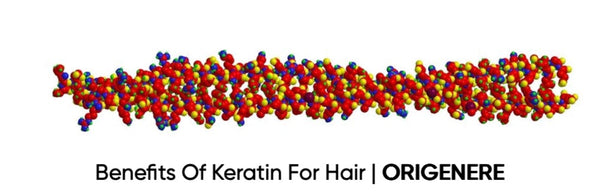
The visible hair shaft is primarily composed of keratinized protein. Bergamot oil has not been shown to reconstruct broken keratin bonds or permanently reverse structural damage.
A complete shampoo or conditioner containing bergamot may still help hair feel cleaner, softer, smoother, more manageable, and pleasantly scented. Those cosmetic effects arise from the full formulation.
Sensory value
Sensory experience is a legitimate part of cosmetic design. Bergamot’s citrus opening, floral softness, and tea-like character can make cleansing feel brighter and more refined without turning the ingredient into a medical treatment.
Safety and appropriate use
Light-related skin reactions
Expressed or cold-pressed bergamot essential oil naturally contains furocoumarins, including bergapten, unless those compounds have been reduced or removed through additional processing.
Exposure matters
IFRA applies restrictions to expressed bergamot oil in product categories where relevant skin exposure may be followed by ultraviolet light. Rinse-off exposure differs from leave-on use.
Fragrance sensitivity
Bergamot oil, limonene, linalool, and their oxidation products may irritate the skin or contribute to allergic contact dermatitis in susceptible individuals.
Potential side effects
Redness, itching, burning, dryness, swelling, or rash may occur. Stop use if symptoms persist or worsen.
Avoid undiluted application
Do not apply concentrated essential oil broadly across the scalp, face, or body. A professionally formulated product offers better control over concentration, stability, and preservation.
Oral use is different
Cosmetic oil should not be swallowed. Oral formulations and food-grade preparations are manufactured for different uses.
Anyone considering a bergamot oral product should discuss the specific formulation with a physician or pharmacist, particularly when taking prescription medication. Preparations vary in dose, polyphenol content, furocoumarin content, and added ingredients, so the safety profile of one product cannot automatically be transferred to another.
Persistent scaling, pustules, drainage, painful lesions, patchy hair loss, scarring, or rapid shedding deserves professional medical evaluation rather than repeated essential-oil experimentation.
The fragrance-safety discussion is based on the official IFRA standard for expressed bergamot oil. [13]
Within the Origenere system
Buongiorno Invigorating Body Wash
The Buongiorno Invigorating Body Wash lists Citrus aurantium bergamia fruit oil within a Mediterranean-inspired aromatic blend.
Within the rinse-off formula, bergamot contributes a bright citrus opening, botanical fragrance complexity, and a fresh shower experience.
The product is a cosmetic cleanser and should not be positioned as a treatment for wounds, infection, eczema, psoriasis, or another medical condition.
Explore Buongiorno Invigorating Body WashLa Rosa Shampoo and Conditioner Set
The La Rosa Nurturing Shampoo and Conditioner list Citrus aurantium bergamia peel oil alongside rose water, ginger, aloe, and conditioning ingredients.
Bergamot provides a fresh citrus contrast to the collection’s rose profile while complementing a wash-day experience centered on softness, manageability, resilience, and healthier-looking strands.
Cleansing and conditioning performance arises from the complete formulas—not bergamot alone.
Explore the La Rosa Shampoo and Conditioner SetFruit oil versus peel oil
Buongiorno lists bergamot fruit oil, while La Rosa lists bergamot peel oil. Both generally describe aromatic material originating from the fruit, most commonly the oil-rich peel.
The ingredient name alone does not reveal the exact extraction process, concentration, chemical profile, or furocoumarin specification. Product evidence should remain tied to the finished formula and its intended use. [14] [15] [16]
Botanical ritual
The Calabrian Morning Ritual
Begin with warm—not excessively hot—water.
For the body, dispense the Buongiorno Invigorating Body Wash into the palms or onto a washcloth. Build a light lather and allow its citrus, floral, herbal, and mint notes to open before rinsing completely.
For hair, apply La Rosa Shampoo to thoroughly wet hair and scalp. Massage gently with the fingertips rather than scratching with the nails. Allow the lather to move through the lengths as it rinses.
Follow with La Rosa Conditioner through the mid-lengths and ends. Allow the formula to provide slip before gently detangling and rinsing.
The ritual does not require additional essential oil. More is not necessarily better when working with concentrated aromatic materials.

Frequently asked questions
What are the health benefits of bergamot?
Bergamot provides a distinctive citrus-floral aroma and has demonstrated biological activity in laboratory and preclinical research. Human evidence is most developed for selected standardized oral extracts studied in relation to lipid markers. Direct evidence for topical hair or scalp outcomes remains limited.
Is bergamot good for hair growth?
Bergamot oil has not been proven to stimulate clinically meaningful hair growth in humans. One mouse study used a combined bergamot-and-boxthorn extract, which cannot be transferred to bergamot oil or human alopecia.
Can bergamot oil improve the scalp?
A well-formulated product may support a fresh and pleasant cleansing experience. Laboratory findings provide rationale for further research, but they do not prove treatment of dandruff, inflammation, bacterial infection, or fungal disease.
What are the main bioactives in bergamot essential oil?
Principal volatile compounds include limonene, linalyl acetate, linalool, β-pinene, and γ-terpinene. Expressed oil may also contain nonvolatile furocoumarins such as bergapten and bergamottin.
Are the polyphenols found in the essential oil?
Not in the same profile or concentration found in juice and peel extracts. Polyphenol-rich preparations studied orally contain compounds such as neoeriocitrin, naringin, neohesperidin, melitidin, and brutieridin.
Can bergamot change lipid markers?
Some studies of standardized oral extracts report reductions in total and LDL cholesterol, while findings for other lipid measurements vary. These preparations should not replace prescribed treatment, and the findings do not apply to bergamot-containing cosmetics.
Does bergamot affect glucose regulation?
Some studies report changes in glucose-related measurements, while others show little or no meaningful effect. Evidence is not sufficient to recommend bergamot as a treatment for glucose management.
Is bergamot safe on the skin?
Properly formulated products can be used according to their directions. Concentrated expressed oil may irritate sensitive skin and can create a light-related reaction when relevant furocoumarins remain on exposed skin.
Can I add essential oil to my shampoo?
Adding raw essential oil may disrupt the product’s intended concentration, stability, preservation, and safety profile. Use a professionally formulated product without adding concentrated oil.
Is bergamot fruit oil the same as bergamot peel oil?
Both names generally describe aromatic material originating from the fruit, most commonly its peel. Exact extraction methods and specifications may still differ.
Is Earl Grey made with the same botanical?
Earl Grey is traditionally flavored with food-grade bergamot flavor, extract, peel, or oil. Food ingredients and cosmetic essential oils are manufactured for different uses and should not be interchanged.
Can bergamot replace medical treatment for hair loss?
No. Hair loss may have genetic, hormonal, inflammatory, autoimmune, nutritional, medication-related, or systemic causes. Appropriate treatment depends on identifying the cause.
Final perspective
Bergamot’s evidence is most compelling when the botanical is understood in its proper form.
The essential oil provides a sophisticated fragrance profile dominated by limonene, linalyl acetate, and linalool. Juice and peel extracts provide a different chemical profile that has been explored in metabolic and inflammatory research.
Those research paths are scientifically interesting—but they should not be blended into one universal claim.
There is encouraging human evidence for certain standardized oral extracts, preliminary mechanistic evidence across laboratory systems, and a long history of aromatic and traditional use. There is not adequate clinical evidence showing that topical bergamot grows hair or treats scalp disease.
Within a carefully designed cosmetic, bergamot does not need to be a miracle.
It can be what it has been for centuries: a beautifully complex Italian botanical that brings freshness, character, and refinement to the ritual.
References
- University of California Riverside, Givaudan Citrus Variety Collection. Bergamot sour orange hybrid: Citrus bergamia Risso. View source
- Adorisio S, Muscari I, Fierabracci A, et al. Biological effects of bergamot and its potential therapeutic use as an anti-inflammatory, antioxidant, and anticancer agent. Pharmaceutical Biology. 2023;61(1):639–646. doi:10.1080/13880209.2023.2197010. View source
- Russo C, Lombardo GE, Bruschetta G, Rapisarda A, Maugeri A, Navarra M. Bergamot byproducts: A sustainable source to counteract inflammation. Nutrients. 2024;16(2):259. doi:10.3390/nu16020259. View source
- Perna S, Spadaccini D, Botteri L, et al. Review of bergamot research spanning anti-inflammatory and antioxidative mechanisms, cardiovascular morbidity, dermatologic conditions, and mood alterations. Food Science & Nutrition. 2019;7(2):369–384. doi:10.1002/fsn3.903. View source
- Lamiquiz-Moneo I, Giné-González J, Alisente S, et al. Effect of bergamot on lipid profile in humans: A systematic review. Critical Reviews in Food Science and Nutrition. 2020;60(18):3133–3143. doi:10.1080/10408398.2019.1677554. View source
- Toth PP, Patti AM, Nikolic D, et al. Bergamot reduces plasma lipids, atherogenic small dense LDL, and subclinical atherosclerosis in subjects with moderate hypercholesterolemia: A 6-month prospective study. Frontiers in Pharmacology. 2016;6:299. doi:10.3389/fphar.2015.00299. View source
- Fogacci F, Giovannini M, Imbalzano E, et al. Metabolic and vascular effect of a new standardized bergamot phytocomplex: A three-arm, placebo-controlled, double-blind clinical trial. Archives of Medical Science. 2023;19(5):1228–1235. doi:10.5114/aoms/163368. View source
- Navarra M, Mannucci C, Delbò M, Calapai G. Citrus bergamia essential oil: From basic research to clinical application. Frontiers in Pharmacology. 2015;6:36. doi:10.3389/fphar.2015.00036. View source
- Remigante A, Spinelli S, Straface E, et al. Mechanisms underlying the anti-aging activity of bergamot extract in human red blood cells. Frontiers in Physiology. 2023;14:1225552. doi:10.3389/fphys.2023.1225552. View source
- Shao LX. Effects of the extract from bergamot and boxthorn on the delay of skin aging and hair growth in mice. Zhongguo Zhong Yao Za Zhi. 2003;28(8):766–769. View source
- Park S, Lee J. Modulation of hair growth promoting effect by natural products. Pharmaceutics. 2021;13(12):2163. doi:10.3390/pharmaceutics13122163. View source
- Bin Rubaian NF, Alzamami HFA, Amir BA. An overview of commonly used natural alternatives for the treatment of androgenetic alopecia, with special emphasis on rosemary oil. Clinical, Cosmetic and Investigational Dermatology. 2024;17:2495–2503. doi:10.2147/CCID.S470989. View source
- International Fragrance Association. IFRA Standards Library: Bergamot Oil Expressed. View standard
- Origenere. Buongiorno Invigorating Body Wash. View product
- Origenere. La Rosa Nurturing Shampoo. View product
- Origenere. La Rosa Nurturing Hair Conditioner. View product
- Nauman MC, Johnson JJ. Clinical application of bergamot (Citrus bergamia) for reducing high cholesterol and cardiovascular disease markers. Integrative Food, Nutrition and Metabolism. 2019;6(2). doi:10.15761/IFNM.1000249. View source
This article is intended for general educational purposes and does not provide medical diagnosis or individualized treatment advice. Consult a qualified healthcare professional regarding persistent scalp symptoms, hair loss, oral product use, medication questions, or other health concerns.

Leave a comment